Desire Starts in the Brain

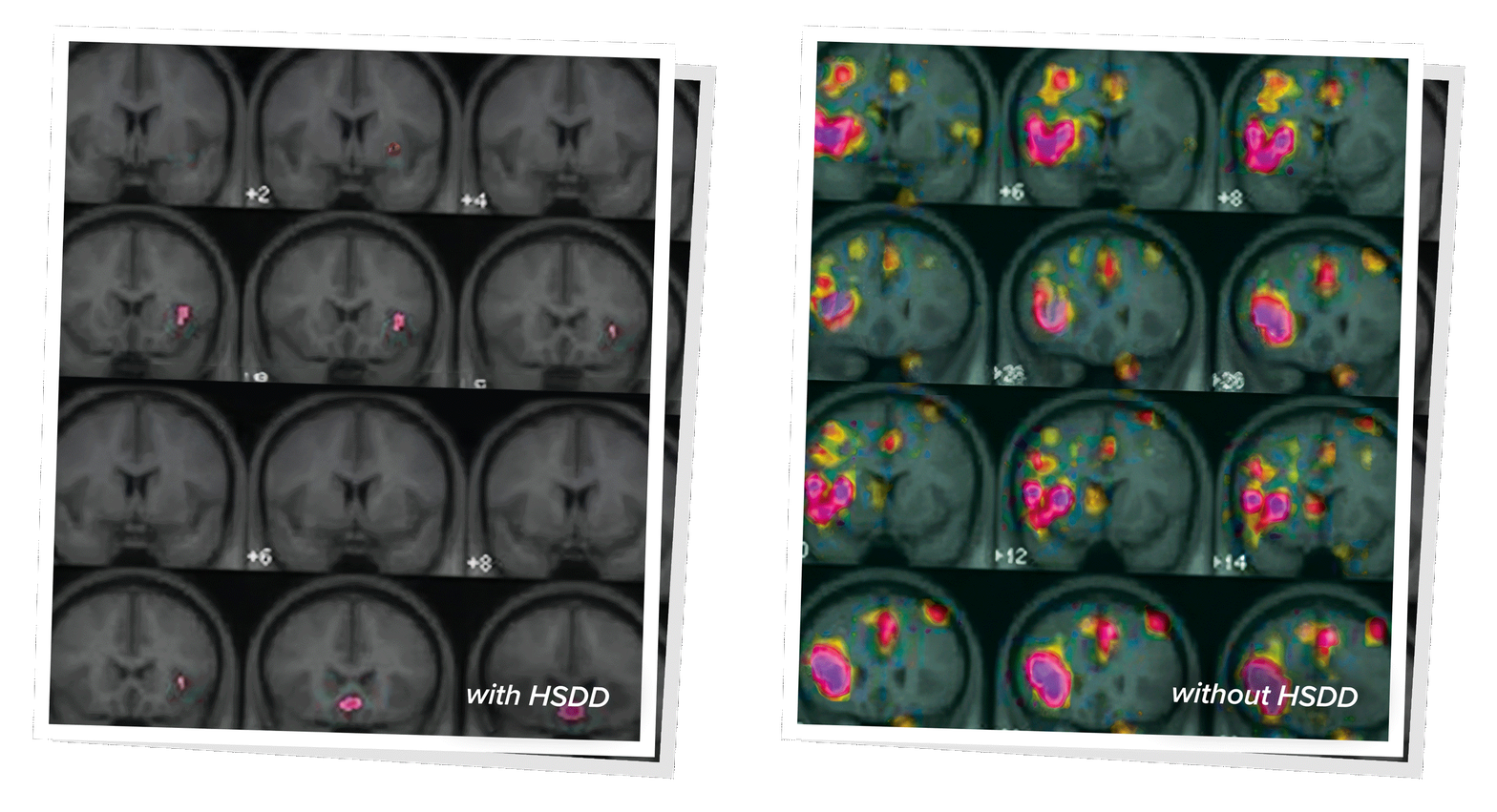
HSDD is believed to be caused by an imbalance of chemicals in the brain.*

A study examining brain scans of women who were exposed to erotic materials showed that the women with HSDD had little to no activation. In women with HSDD, deactivation can produce an absence of vaginal vasocongestion and lubrication and decreased sexual behavior in general.

* Rendering of brain PET scans; study in 24 women ages 18-37

Desire Starts in the Brain

HSDD is believed to be caused by an imbalance of chemicals in the brain.*

A study examining brain scans of women who were exposed to erotic materials showed that the women with HSDD had little to no activation. In women with HSDD, deactivation can produce an absence of vaginal vasocongestion and lubrication and decreased sexual behavior in general.

* Rendering of brain PET scans; study in 24 women ages 18-37

Recognizing HSDD Symptoms

Learn to recognize the signs of HSDD.

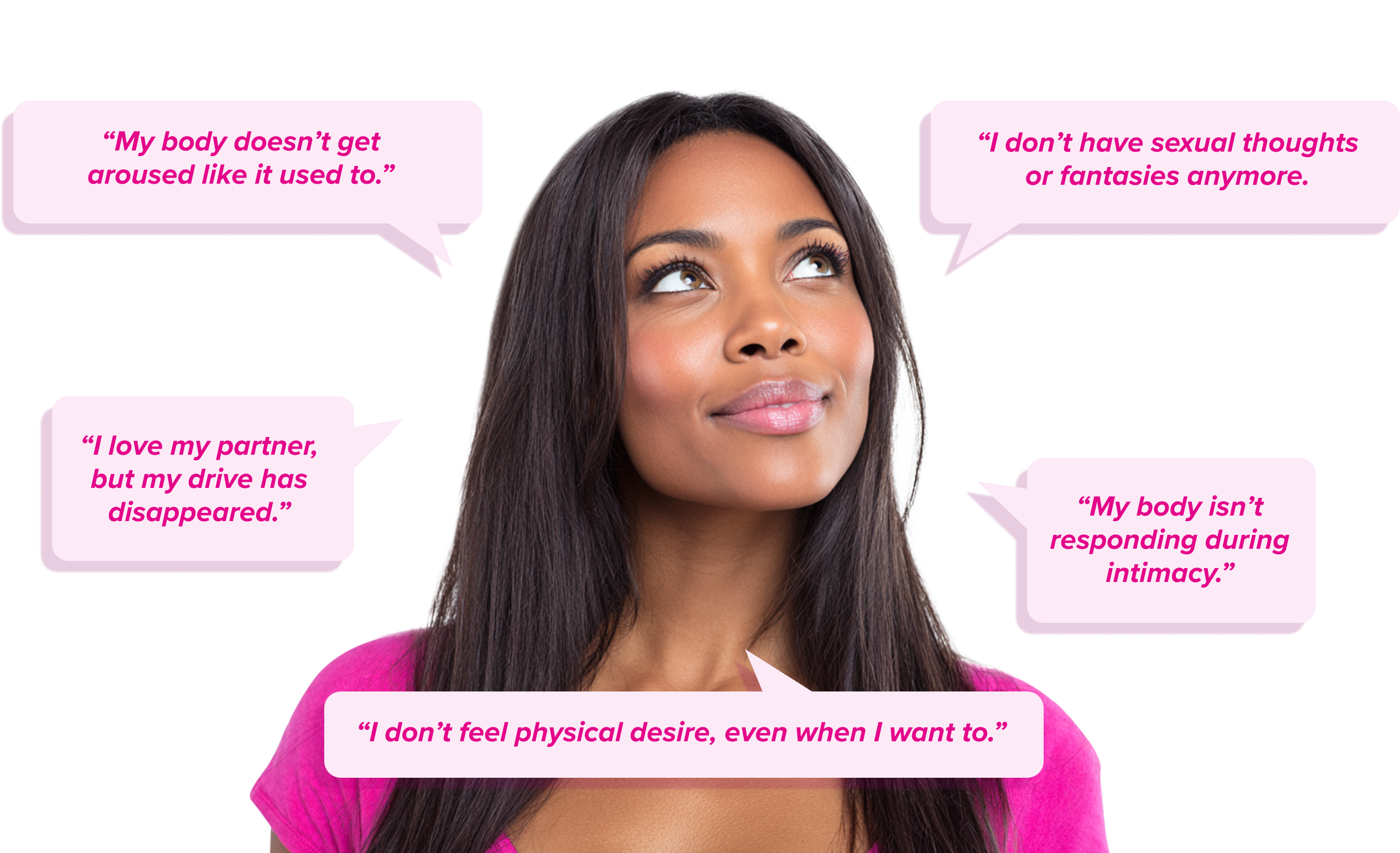
“My body doesn’t get aroused like it used to.”

“I love my partner, but my drive has disappeared.”

“I don’t have sexual thoughts or fantasies anymore.

“My body isn’t responding during intimacy.”

“I don’t feel physical desire, even when I want to.”

Recognizing HSDD Symptoms

Learn to recognize the signs of HSDD.

HSDD is Treatable

Take control of the conversation—start a private telemedicine visit today.

When I heard about Addyi, I was curious if it would work for me. After only a few weeks on Addyi I’m already thinking about and wanting sex again!”

Caroline G, 60, actual Addyi patient

HSDD is Treatable

Take control of the conversation—start a private telemedicine visit today.

When I heard about Addyi, I was curious if it would work for me. After only a few weeks on Addyi I’m already thinking about and wanting sex again!”

Caroline G, 60, actual Addyi patient

IMPORTANT SAFETY INFORMATION

What is the most important information I should know about ADDYI?

ADDYI can cause severe low blood pressure and fainting (loss of consciousness). Your risk is higher if you drink alcohol close to your dose. Do not take ADDYI with certain medicines or if you have liver problems. To lower your risk of low blood pressure and fainting:

  • Do not drink alcohol close to the time you take ADDYI. Skip your dose if you had 3 or more drinks before bedtime. Wait at least 2 hours after 1–2 alcoholic drinks before taking ADDYI. After taking ADDYI, do not drink alcohol until the next day
  • Talk to your doctor about the medicines and supplements you take and before starting any new ones
  • Do not take ADDYI if you have liver problems

If you feel dizzy or lightheaded after taking ADDYI, lie down right away. Get medical help if symptoms do not go away.

Who should not take ADDYI?
Do not take ADDYI if you:

take certain medicines that increase ADDYI levels in your blood (including some treatments for HIV, fungal infections, antibiotics, hepatitis C, heart conditions, or depression such as nefazodone)

  • have liver problems
  • are allergic to ADDYI

What should I tell my doctor before taking ADDYI?
Tell your doctor about all your medical conditions, including if you:

  • drink alcohol, use drugs, or have a history of substance abuse
  • have ever had depression or other mental health conditions
  • have low blood pressure or a condition that can cause it
  • are pregnant, planning pregnancy, or breastfeeding

Tell your doctor or pharmacist about all medicines and supplements you take, as they may interact with ADDYI.

What should I avoid while taking ADDYI?

  • Do not drink alcohol close to your dose
  • Do not drive or operate machinery for at least 6 hours after taking ADDYI
  • Do not drink grapefruit juice
  • Do not take supplements such as St. John’s Wort, ginkgo, or resveratrol, or certain medicines like cimetidine, without talking to your doctor

What are the possible side effects of ADDYI?
ADDYI can cause serious side effects, including:

  • See “What is the most important information I should know about ADDYI?”
  • sleepiness
  • low blood pressure and fainting

The most common side effects include:

  • dizziness
  • nausea
  • tiredness
  • trouble sleeping
  • dry mouth

This is not a complete list of side effects. Call your doctor for medical advice.

What is ADDYI?

ADDYI is a prescription medicine used to treat hypoactive (low) sexual desire disorder (HSDD) in women < 65 years of age who have not had problems with low sexual desire in the past, no matter the type of sexual activity, situation, or sexual partner, and it is troubling to them. Their low sexual desire is not due to a medical or mental health problem, problems in the relationship, medicine or other drug use.

ADDYI is not for use in men or to improve sexual performance.